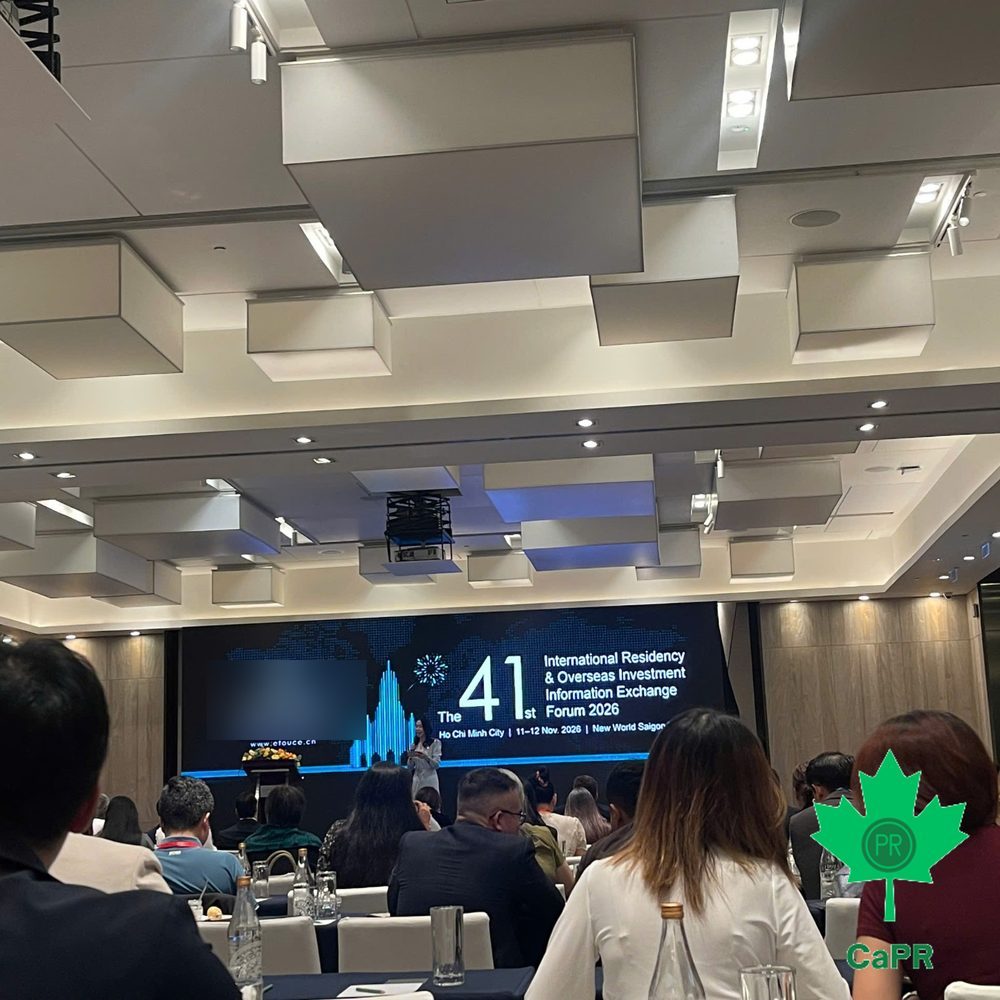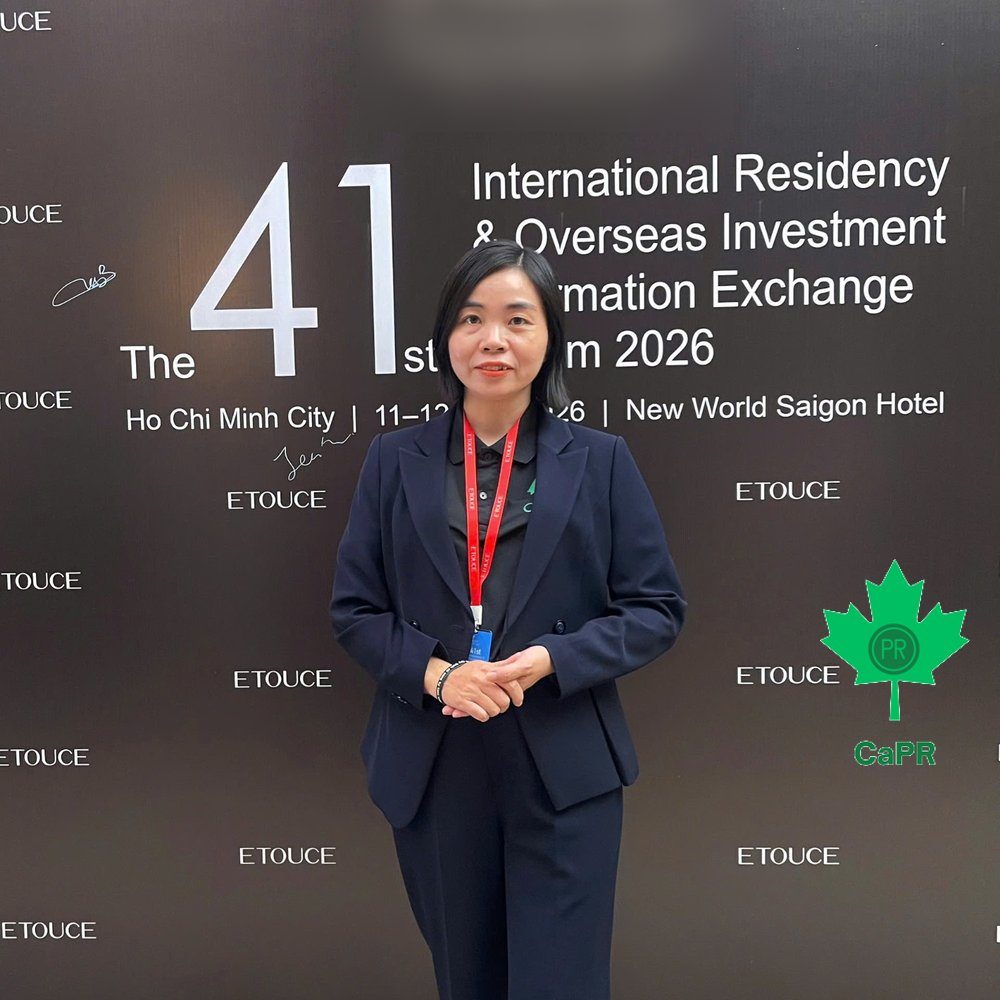
Plan B residency was the phrase I heard most often at the International Residency and Overseas Investment Forum 2026 in Ho Chi Minh City. Almost every session talked about a “backup plan” for the family: a residence permit in Europe, a second passport in the Caribbean, or an investment in the United States. But what should your family’s Plan B be? The answer depends on whether you want to buy a right, or build a life.
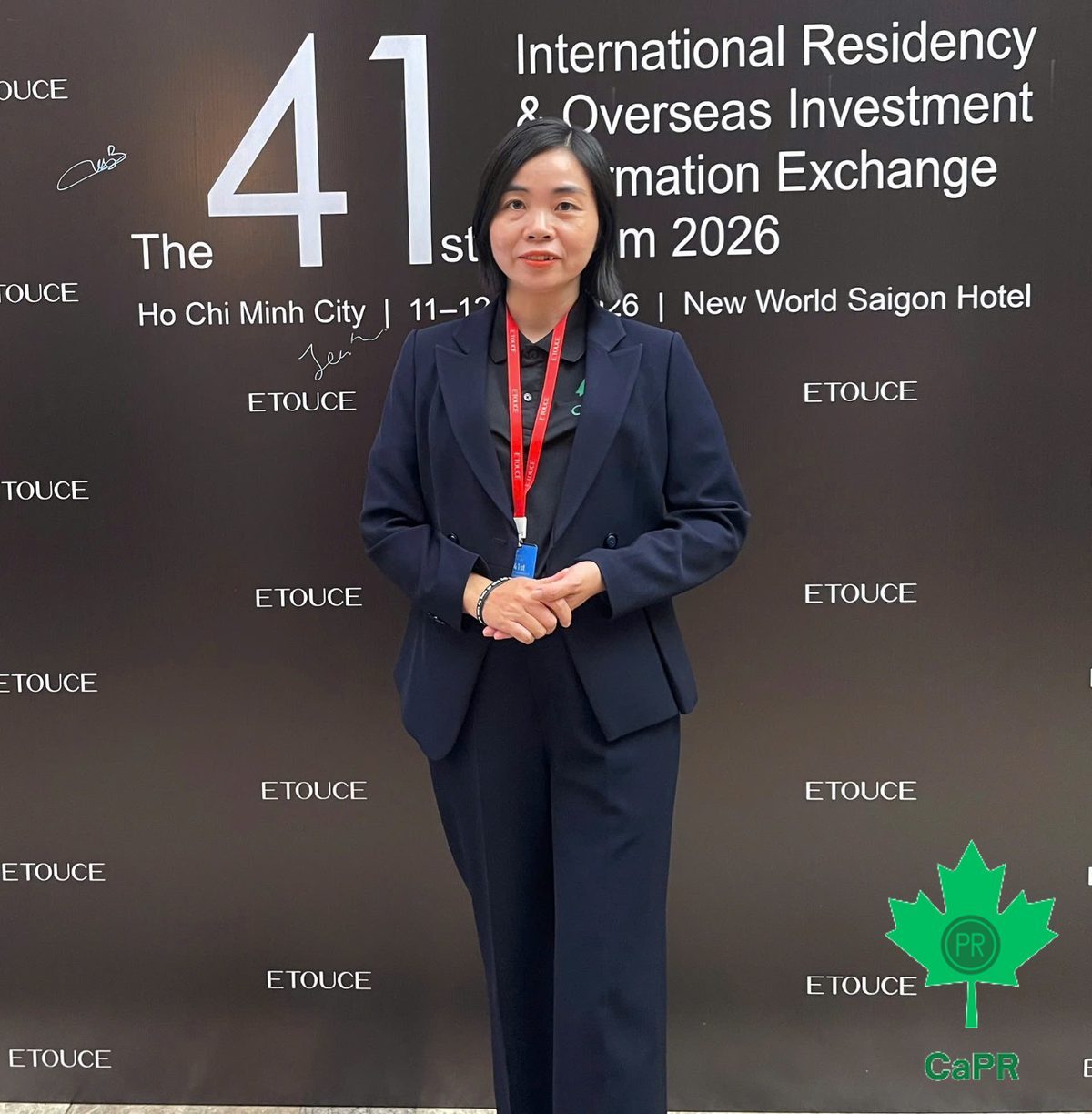
I am Nguyen Thi Hoa Van – co-founder of CAPR, an immigration consulting brand with international investment capital, and the organizer and host of weekly webinars where RCICs answer questions in our Zalo community for Canada immigration Q&A with RCICs.
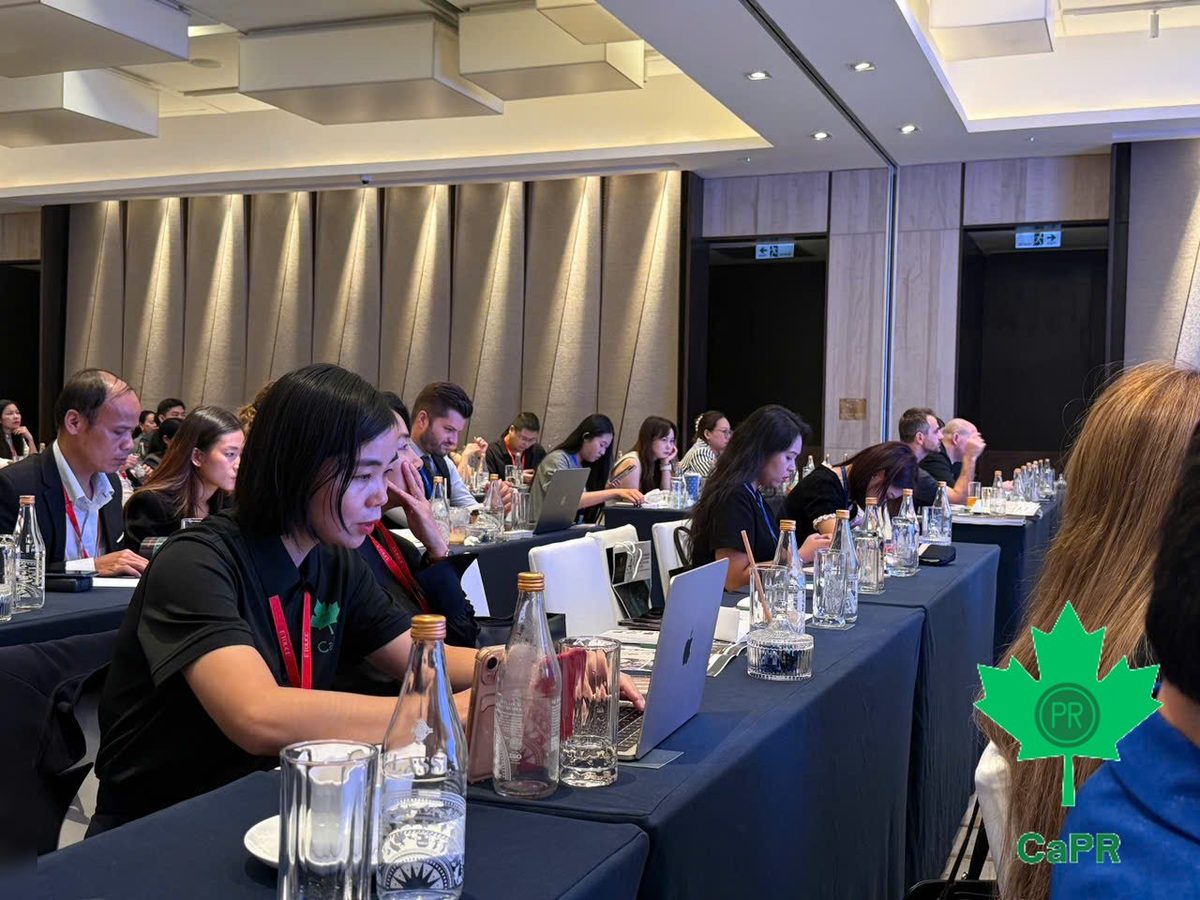
I attended the forum as an invited guest representing CAPR. My full recap is here: International Residency and Overseas Investment Forum 2026. CAPR specialises in Canadian immigration, so information about other countries in this article is only for comparison. Always check the specific requirements of each program on that country’s official website.
Three common Plan B residency paths in 2026
The programs presented at the forum fall into three groups:
| Residence by investment | Citizenship by investment | Canadian PR through economic programs | |
|---|---|---|---|
| What you get | The right to reside in a country | Citizenship and a second passport | Permanent residence, with a path to citizenship |
| How you qualify | Investment under the program’s rules | Investment or contribution under the program’s rules | Skills, employment, language, provincial nomination |
| Do you need to actually live there? | Depends on the program | Usually not required | Yes, you must meet a residency obligation |
| Best for | Families wanting a backup right to reside | Families wanting easier travel | Families wanting to live, work and educate their children |
No option is better in absolute terms. The question is what your family actually needs.
Something new stood out this year: Canadian immigration firms took part in the forum, while at the previous edition in Ho Chi Minh City earlier in 2026 I did not see any. This year’s host was Sherry, an RCIC who works with CAPR. Canada is increasingly being discussed as a Plan B alongside investment programs.
The first question: do you plan to actually move?
This is always the first thing I ask. If the answer is “I just want it ready in case I need it”, residence or citizenship by investment may be worth exploring.
If the answer is “I want the whole family to move, my children to study there and to work there myself”, you need a country with a real integration pathway: jobs, community and an education system for your children. Canada is one of the clearest examples of such a pathway.

Canadian PR: a Plan B for living, not for a drawer
Canadian permanent residence is not something you buy and put away. According to the Government of Canada, permanent residents must be physically present in Canada for at least 730 days in every five-year period. To apply for citizenship, the eligibility rules require at least 1,095 days of physical presence in the five years before you apply.
This may sound like a restriction. For families who want to truly move, it is an advantage: you live, work and send your children to school like any resident, and after a few years you can become a Canadian citizen.
On investment routes: Canada currently focuses on economic programs based on skills, employment and provincial nomination. The federal Start-up Visa program stopped accepting new applications at the end of 2025, and several provincial business streams have closed. For most Vietnamese families, the road to Canada today is through skills and employment. The good news is that Canada’s latest immigration levels plan continues to welcome new permanent residents.
Recent positive news (in Vietnamese): Canada plans to welcome up to 622,000 new permanent residents in 2027 and RCIP becomes a permanent PR program from 1 January 2027.
A good Plan B is one you can actually use
After a day at the forum, my message to Vietnamese families is simple: do not choose a Plan B only because it is fast or because the presenter was persuasive. Choose a Plan B that your whole family could actually pack up and start a new life with, when the time comes.
Three questions to ask yourself before deciding:
- When the Plan B is activated, where will the family live and what will each person do?
- Where will your children study, and will they study on the same terms as local residents?
- What conditions must you meet to keep the right you receive, and can you meet them?
If you would like our RCIC to review which Canadian pathway fits your family, leave your details on our quick profile assessment form. You may also want to read what Vietnamese clients want from immigration.
More on the ETOUCE 2026 forum
- ETOUCE 2026: International Residency & Overseas Investment Forum
- What is ETOUCE?
- ETOUCE events 2026 and 2027
- Canada immigration events in Vietnam 2026
- The CAPR team at the forum
- What Vietnamese clients really want from immigration
Đọc bản tiếng Việt: Plan B định cư 2026 nên chọn hướng nào?
FAQ
What is Plan B residency?
Plan B residency is a backup plan that gives a family the right to reside, citizenship, or permanent residence in another country, adding options for where to live, study and travel.
Should I choose a second citizenship or Canadian permanent residence?
If you only need easier travel, citizenship by investment may suit you. If you want your family to move, work and educate your children abroad, Canadian permanent residence through economic programs is worth exploring.
How long must a Canadian permanent resident stay in Canada?
According to the Government of Canada, permanent residents must be physically present in Canada for at least 730 days in every five-year period.
Does Canada still have an investor immigration program?
The federal Start-up Visa program stopped accepting new applications at the end of 2025 and several provincial business streams have closed. Check each program’s status on the official website at the time you apply.
I am Nguyen Thi Hoa Van – Connecting families to Canada, safely.