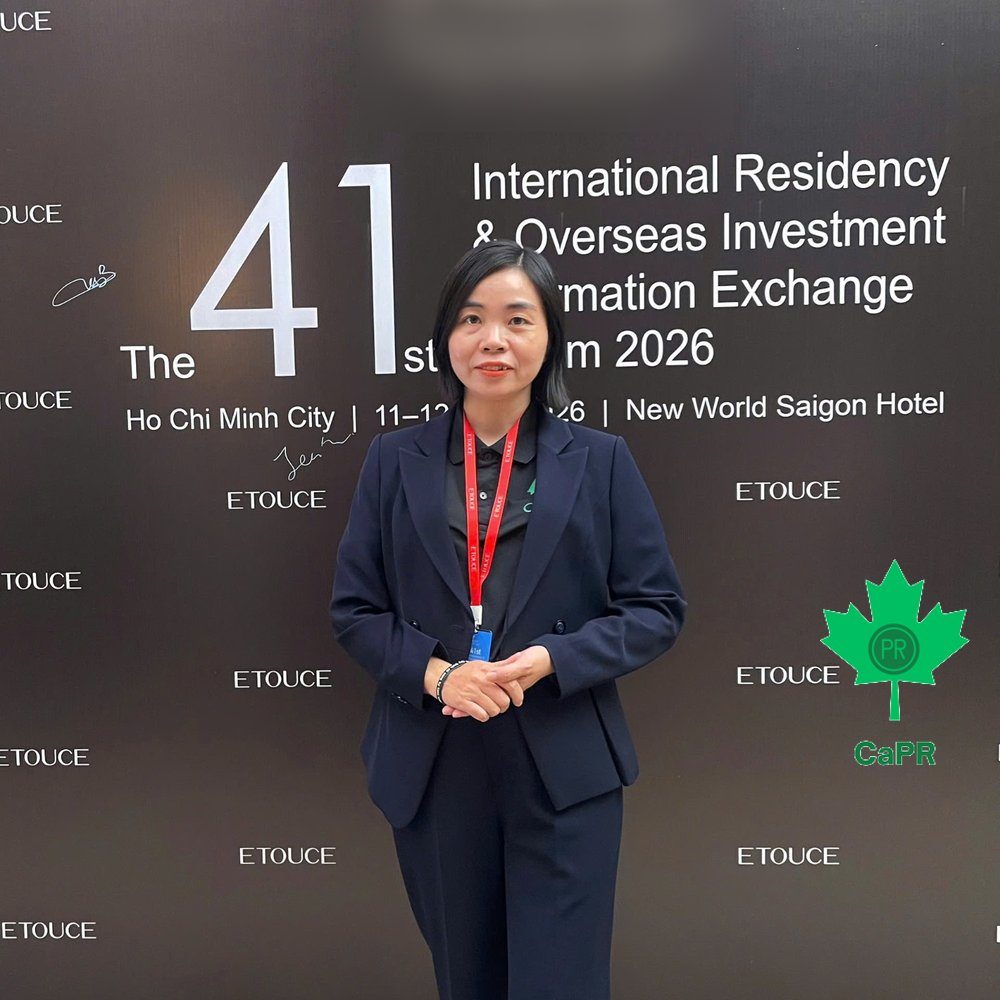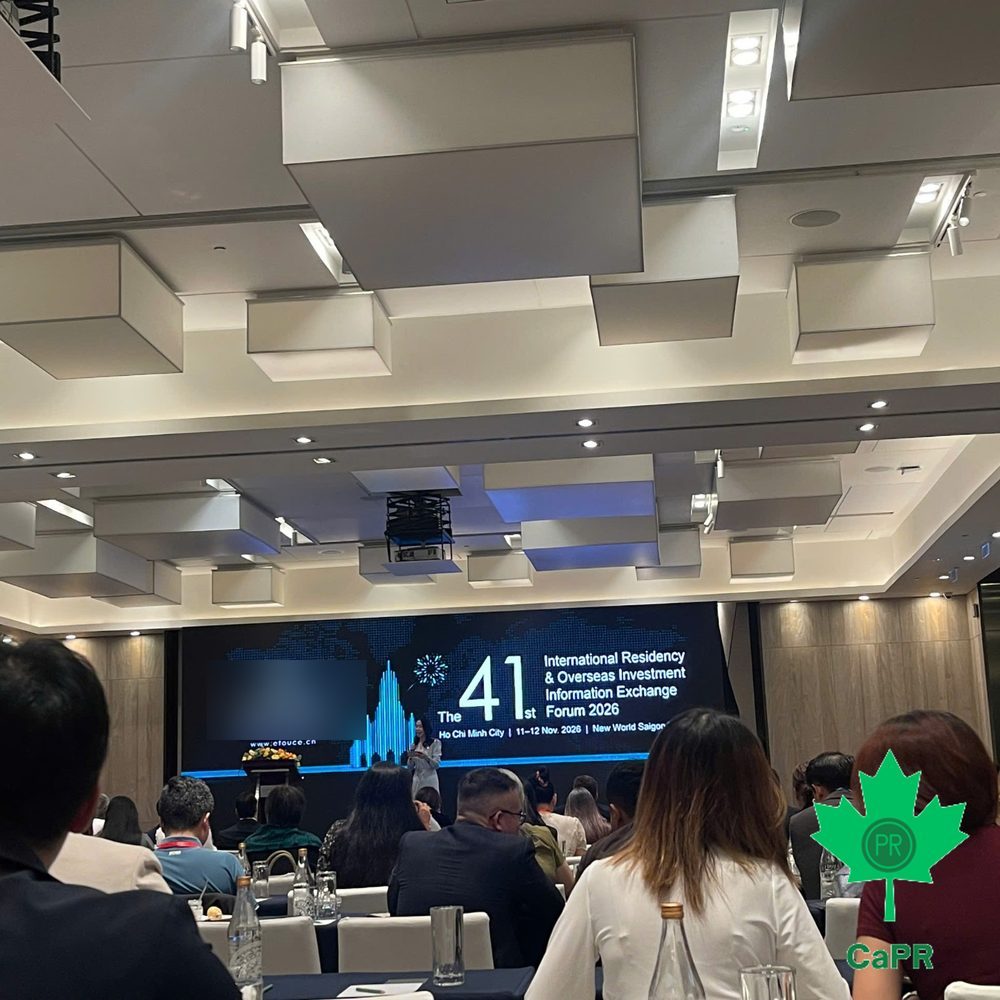
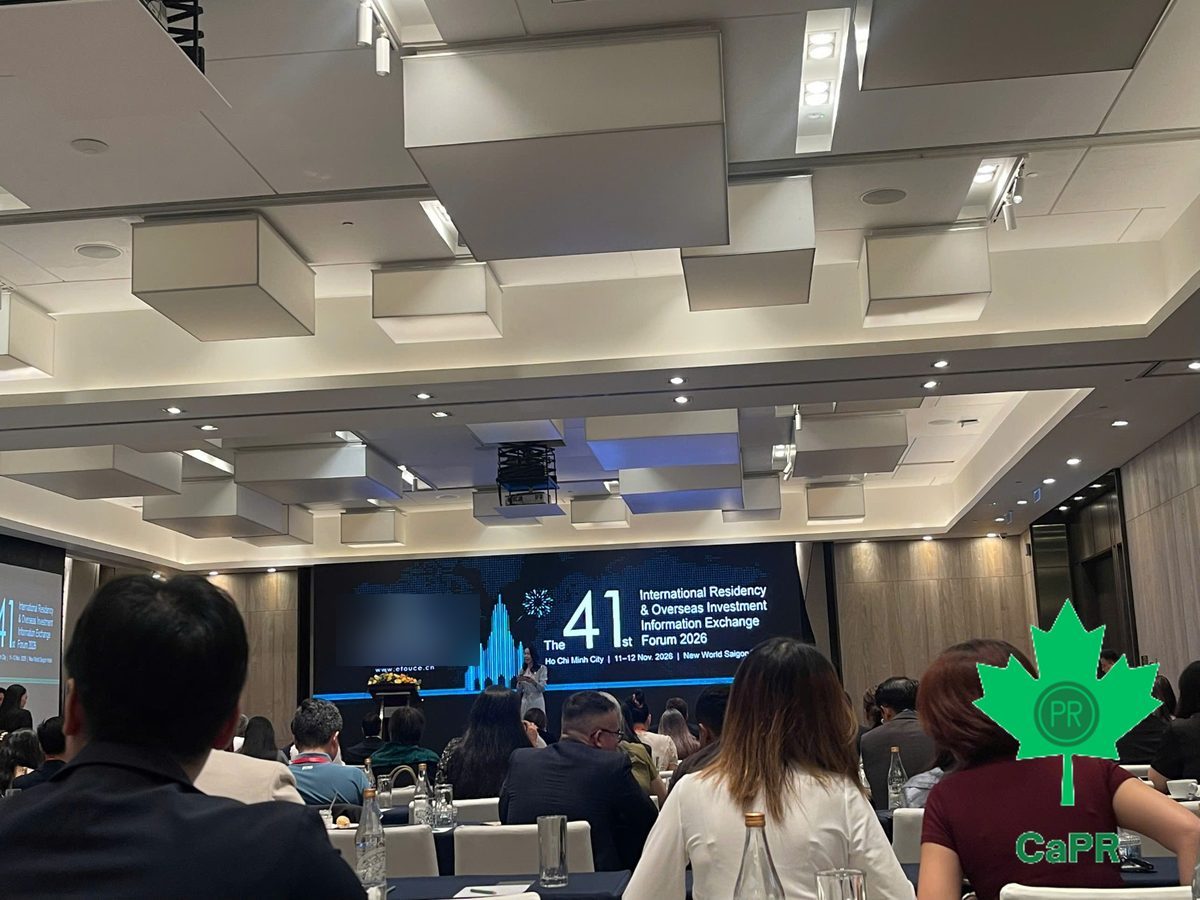
What Vietnamese clients want from immigration was the central question of the afternoon panel on 11 November at the International Residency and Overseas Investment Forum 2026 in Ho Chi Minh City. Specialists from many countries discussed how to understand Vietnamese families. Sitting in the audience, I thought about the families I meet every week. Their answers are rarely found in a table comparing costs and processing times.
I am Nguyen Thi Hoa Van – co-founder of CAPR, an immigration consulting brand with international investment capital, and the organizer and host of weekly webinars where RCICs answer questions in our Zalo community for Canada immigration Q&A with RCICs.
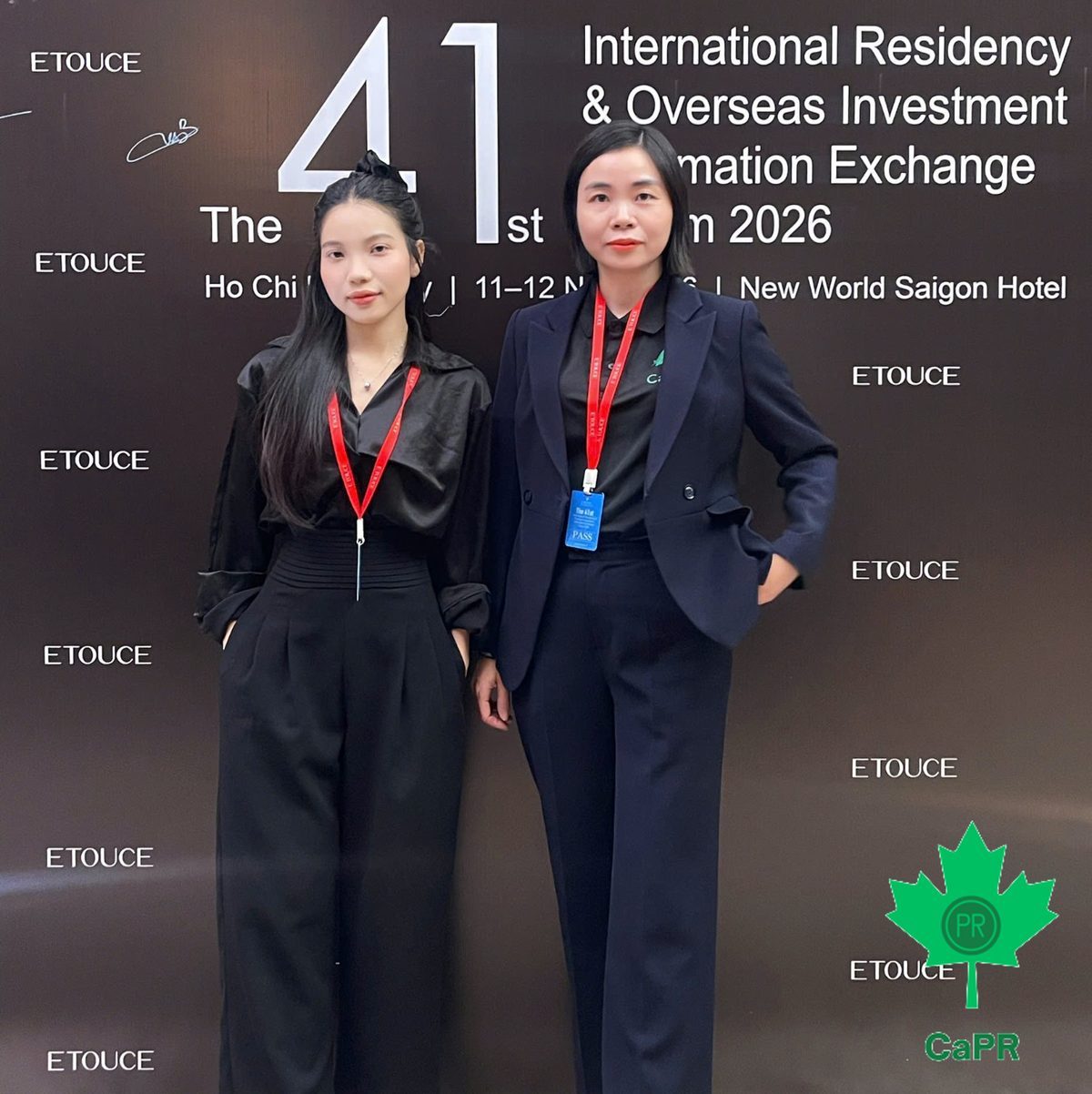
I attended the forum as an invited guest representing CAPR. You can read the full event recap here: International Residency and Overseas Investment Forum 2026.
The questions asked at the forum
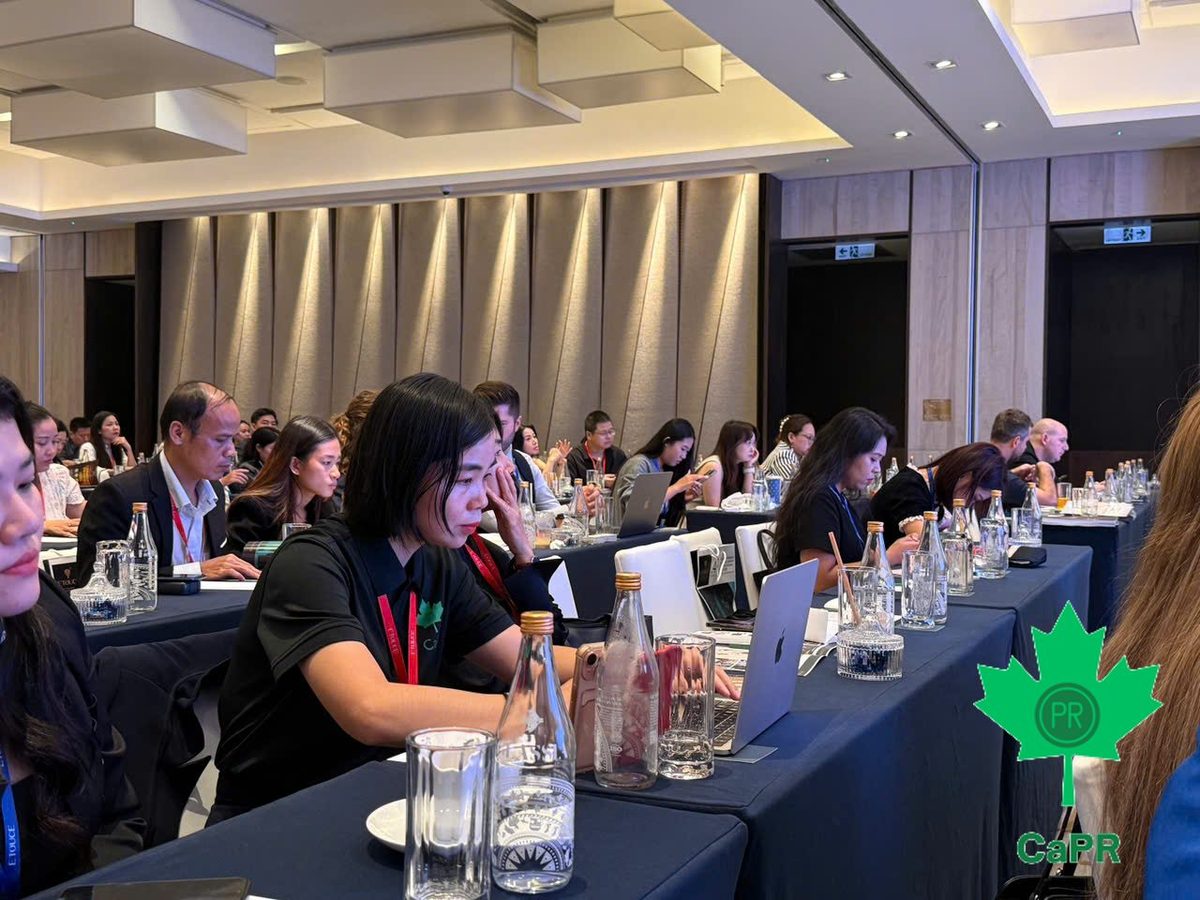
The panel asked five questions: how Vietnamese clients differ from other markets, what to say if you had only three minutes to convince them, which clients fit which program, what each program offers in cost and processing time, and how policies may change in the next five years.
That is the view of people who sell programs. Below is the view of someone who sits at the same table as Vietnamese families and hears why they want to move.
Five things Vietnamese clients really want
1. A future for their children
Almost every pathway consultation starts with the children. Parents want their children to study in a strong education system and have real career opportunities after graduation. Many are willing to start over in their forties, as long as their children have a clear path forward.
2. To move together as a family
Vietnamese families rarely move alone. The first question is usually: can my spouse and children come with me, and who should be the principal applicant? Some families choose to let the mother go first, settle in, then bring the rest of the family. Choosing the right principal applicant can make a real difference for the whole family.
3. Certainty and legal safety
Vietnamese clients have heard too many stories of people losing money. They do not need a promise of “guaranteed approval”. They need to know who is handling their file, whether that person is licensed, and which regulation each step is based on. This is why CAPR has RCICs handling files directly, and clients can ask RCICs their questions directly in our Q&A community.
4. A clear timeline
“How long until the whole family can move?” is always asked. What clients need is not an attractive number, but a pathway with clear milestones: what English level to reach, when to apply, when to expect results, and what to do next if things take longer.
5. A real life in the country they choose
Many families come to CAPR after researching citizenship or residency by investment. What they realise is that they do not want a passport to keep in a drawer. They want a new life: a job, a community, and a school for their children. I compare these two directions in Plan B residency in 2026.
Families who have already made it
These five priorities are not theory. Recent results for CAPR clients include a chef who received PR through RCIP after 10 months and two clients who received BC PNP nominations within 4 to 6 weeks (articles in Vietnamese). Each file is a family moving closer to the life they chose.
Self-check: which program fits your family?
Before listening to anyone present a program, answer these four questions:
| Question | If your answer is yes | Direction to explore |
|---|---|---|
| Do you want to actually move, live and work there? | Yes | Skilled worker, employment and provincial nominee pathways |
| Do you only need easier travel? | Yes | Ask carefully what rights a residence permit or citizenship really gives |
| Is your child about to start university? | Yes | Consider combining study and immigration pathways |
| Do you have work experience and basic English? | Yes | Canadian provincial nominee programs |
Understand the client first, choose the program second
The panel asked how to convince a Vietnamese client in three minutes. I think a better question is: how do we spend three minutes listening to what a Vietnamese family really wants? Once you understand what the family wants, choosing a program becomes much simpler.
If you would like our RCIC to review which Canadian pathway fits your family, leave your details on our quick profile assessment form.
More on the ETOUCE 2026 forum
- ETOUCE 2026: International Residency & Overseas Investment Forum
- What is ETOUCE?
- ETOUCE events 2026 and 2027
- Canada immigration events in Vietnam 2026
- The CAPR team at the forum
- Plan B residency in 2026
Đọc bản tiếng Việt: Khách Việt muốn gì khi định cư nước ngoài?
FAQ
What do Vietnamese clients want from immigration?
In CAPR’s experience, Vietnamese families prioritise their children’s education, moving together as a family, legal safety, a clear timeline, and the ability to truly live in the country they choose.
Can the whole family immigrate to Canada together?
For permanent residence programs, the principal applicant can usually include a spouse or partner and dependent children in the same application. Exact requirements depend on the program.
How can I check if a Canadian immigration consultant is licensed?
Paid Canadian immigration advice must come from a licensed RCIC or a lawyer. Ask for the licence number and verify it on the official regulator’s website.
I am Nguyen Thi Hoa Van – Connecting families to Canada, safely.